
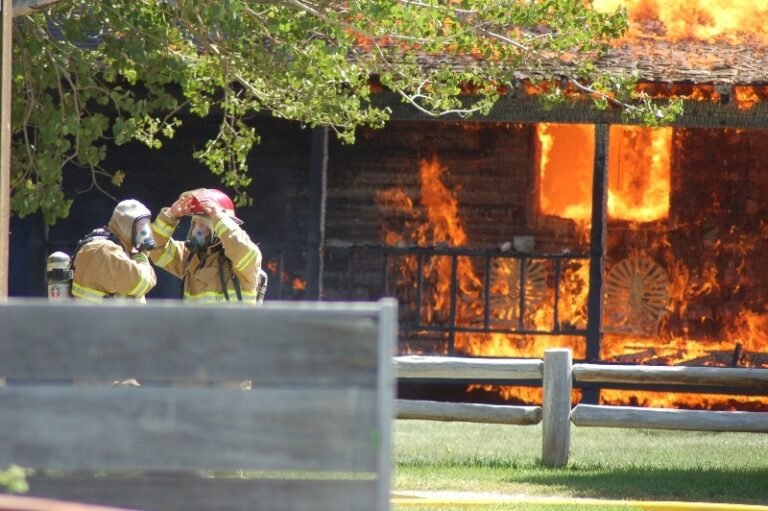
Introduction: Fire Safety in the Workplace
A fire risk assessment is a fundamental part of creating and maintaining a safer working environment. Every workplace—whether an office, factory, warehouse, or retail space—faces potential fire hazards that can threaten employees, visitors, and business operations. Fires can develop rapidly, often with devastating consequences, making prevention and preparedness essential.
Creating a safe working environment is not only a moral responsibility but also a legal obligation for employers and building managers. A properly conducted fire risk assessment helps identify hazards, evaluate risks, and implement effective safety measures that reduce the likelihood of fire incidents and ensure a coordinated response if an emergency occurs.
Understanding Fire Risk Assessment in the Workplace
A fire risk assessment is a structured process that examines how fire could start, how it might spread, and who could be harmed. It evaluates ignition sources, combustible materials, and unsafe practices while also assessing the adequacy of existing fire safety controls. In a working environment, this assessment must consider daily activities, equipment use, and employee behavior.
Workplaces are dynamic environments. Staff numbers change, equipment is upgraded, and layouts are modified. A fire risk assessment accounts for these factors, ensuring that safety measures remain relevant and effective. It forms the backbone of a comprehensive workplace fire safety strategy.
Identifying Workplace Fire Hazards
The first step in creating a safer working environment is identifying potential fire hazards. Common workplace hazards include faulty electrical systems, overloaded sockets, heating equipment, cooking appliances, flammable liquids, and combustible waste. Human factors, such as smoking, poor housekeeping, or lack of training, also increase fire risk.
Different workplaces have different risk profiles. Offices may face electrical and paper-related hazards, while factories and warehouses often deal with machinery, chemicals, and large quantities of combustible materials. Identifying these hazards allows employers to take targeted action before they lead to an incident.
Assessing Risks to Employees and Visitors
Once hazards are identified, the next step is assessing the risk they pose to people in the workplace. This includes employees, contractors, customers, and any visitors who may be unfamiliar with the building. Special consideration must be given to vulnerable individuals, such as those with mobility issues, temporary workers, or lone workers.
Risk assessment involves evaluating how quickly a fire could spread, how easily people can escape, and whether emergency procedures are clear and practical. Poorly marked exits, blocked corridors, or inadequate lighting can significantly increase danger during a fire. Addressing these risks is essential for creating a safer working environment.
See also: The Influence of British Royalty on Horse Racing
Implementing Fire Prevention and Protection Measures
Effective fire risk assessments lead to practical fire prevention and protection measures. These measures aim to reduce the likelihood of fire and limit its impact if one occurs. Common controls include installing and maintaining fire alarms, smoke detectors, fire extinguishers, and sprinkler systems.
Workplaces should also ensure that emergency exits are clearly marked, unobstructed, and accessible at all times. Good housekeeping practices, such as proper waste disposal and safe storage of flammable materials, further reduce fire risk. Together, these measures form a strong defense against workplace fires.
Training Employees and Building Awareness
A safer working environment depends not only on equipment but also on people. Employee training is a vital part of any fire risk assessment. Staff should understand fire hazards, know how to prevent them, and be familiar with emergency procedures. This includes recognizing alarm signals, following evacuation routes, and knowing where assembly points are located.
Regular fire drills help reinforce training and identify weaknesses in evacuation plans. When employees are confident and prepared, panic is reduced, and response times improve. Training also promotes a culture of safety, where employees actively contribute to maintaining a fire-safe workplace.
Legal Compliance and Employer Responsibilities
In most jurisdictions, employers are legally required to conduct fire risk assessments and take reasonable steps to protect workers. Compliance with fire safety regulations demonstrates due diligence and helps prevent enforcement action, fines, or legal claims.
A documented fire risk assessment shows that hazards have been identified, risks evaluated, and control measures implemented. It also provides evidence that the employer has taken responsibility for workplace safety. Compliance is not just about meeting legal standards—it is about protecting people and ensuring business continuity.
Reviewing and Updating the Assessment
Creating a safer working environment is an ongoing process. Fire risk assessments must be reviewed regularly and updated whenever significant changes occur. Changes may include new equipment, altered work processes, building renovations, or an increase in staff numbers.
Regular reviews ensure that new hazards are identified and that existing safety measures remain effective. Continuous improvement strengthens workplace safety and ensures that fire protection evolves alongside business operations.
Benefits of a Safer Working Environment
A well-managed fire risk assessment delivers benefits beyond fire prevention. Employees feel safer and more confident in their workplace, which can improve morale and productivity. Businesses reduce the risk of downtime, asset loss, and reputational damage caused by fire incidents.
Insurers often look favorably on organizations with strong fire safety practices, which may lead to better insurance terms. Most importantly, a safer working environment protects lives and demonstrates a genuine commitment to employee wellbeing.
Conclusion
A fire risk assessment is essential for creating a safer working environment. By identifying hazards, assessing risks, implementing preventive measures, and training employees, workplaces can significantly reduce the likelihood and impact of fire incidents. Regular reviews and continuous improvement ensure that safety remains a priority as the workplace evolves.
Fire safety is not a one-time task—it is an ongoing responsibility. A proactive approach to fire risk assessment protects employees, supports legal compliance, and helps create a secure, resilient, and well-prepared working environment.