
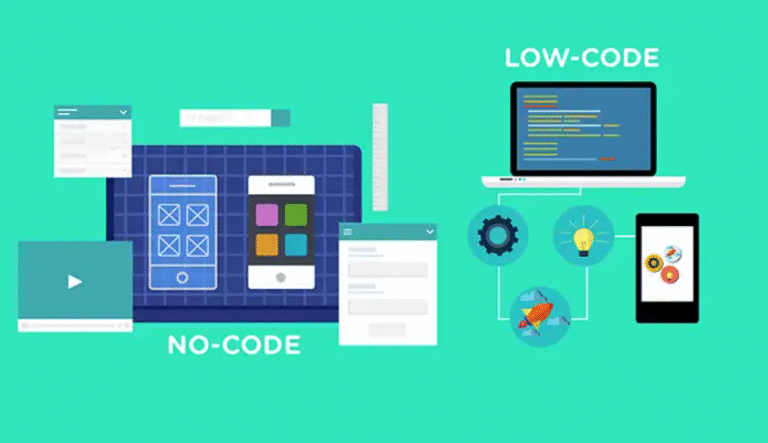
No-code and low-code platforms are transforming the landscape of software development. These tools empower non-technical users to build applications with ease, streamlining workflows and enhancing collaboration. As organizations increasingly adopt these solutions, they unlock new opportunities for innovation and efficiency. However, the rapid growth of this market raises questions about its long-term implications and potential challenges. What might the future hold for traditional development practices in this evolving environment?
Understanding No-Code and Low-Code Platforms
As businesses strive for agility in a rapidly evolving digital landscape, no-code and low-code platforms have emerged as pivotal tools that democratize software development.
These platforms enhance user experience by enabling individuals, regardless of technical expertise, to create applications.
Furthermore, their inherent platform scalability allows organizations to adapt solutions efficiently, ensuring that they can grow and evolve alongside their changing needs and demands.
See also: Machine Learning Basics for Beginners
Key Benefits of Using No-Code and Low-Code Solutions
No-code and low-code solutions offer significant advantages that resonate with organizations aiming to streamline their development processes.
By enabling users to create applications without extensive coding knowledge, these platforms foster increased productivity and enhanced collaboration among teams.
This democratization of technology empowers individuals to innovate and address challenges swiftly, ultimately transforming how organizations approach project development and execution.
Popular No-Code and Low-Code Tools in the Market
The landscape of no-code and low-code tools has expanded significantly, providing a diverse array of options for businesses seeking to enhance their development capabilities.
Notable tools include the Bubble platform for web applications, Airtable integration for data management, and Webflow design for responsive sites.
Additionally, Zapier automation streamlines workflows, while AppGyver features and Glide apps offer unique solutions.
OutSystems capabilities and Mendix solutions further enrich this dynamic market.
Real-World Applications and Success Stories
While many businesses grapple with the complexities of traditional software development, numerous organizations have successfully harnessed no-code and low-code platforms to drive innovation and efficiency.
These platforms have led to significant automation success, enabling rapid business transformation across various sectors. Companies report shorter development cycles and reduced costs, empowering employees to create solutions that meet specific needs without extensive coding knowledge.
Conclusion
In conclusion, no-code and low-code platforms are transforming the software development landscape, enabling unprecedented innovation and agility across industries. With the ability to create complex applications at lightning speed, these tools eliminate traditional barriers and empower users to bring their visions to life. As organizations continue to embrace this paradigm shift, the potential for growth and efficiency is boundless, cementing no-code and low-code solutions as the cornerstone of modern digital transformation.